The most sophisticated security technology in the world can be undone by a single well-crafted lie. That’s the uncomfortable truth behind social engineering — a category of attack that targets people rather than machines. Instead of hacking your systems, criminals hack your employees: manipulating them into handing over passwords, transferring money, or opening the door to malware. Because it exploits human trust rather than technical flaws, social engineering is one of the hardest threats to defend against — and one of the most important for every small business to understand.
What Is Social Engineering?
Social engineering is the art of manipulating people into taking actions or revealing information that compromises security. Rather than breaking through firewalls, attackers deceive, pressure, or trick their targets into doing the work for them. They might impersonate a trusted colleague, pose as a supplier, or create a false sense of urgency that pushes someone to act before they think.
The reason social engineering is so effective is that it targets natural human tendencies: our desire to be helpful, our respect for authority, our fear of getting in trouble, and our tendency to trust familiar names and brands. No software patch can fix these instincts, which is why awareness is the primary defense.
Why Small Businesses Are Targeted
Small businesses are especially vulnerable to social engineering for several reasons. They often lack formal security training, so employees may not recognize the warning signs. Teams are smaller and more trusting, making impersonation easier. And owners and staff frequently wear many hats, handling finances, IT, and operations without the checks and balances a larger company might have. To an attacker, a small business can be a soft target holding real money and valuable data.
Common Types of Social Engineering Attacks
Social engineering takes many forms. Recognizing the main ones makes them far easier to spot.
Phishing
The most widespread form, phishing uses fraudulent emails that appear to come from trusted sources — banks, software providers, or colleagues — to trick recipients into clicking malicious links, opening infected attachments, or entering credentials on fake websites. Phishing is the entry point for a huge share of business breaches.
Spear Phishing and Whaling
Spear phishing targets a specific individual with a personalized message, often using details gathered from social media or your website to appear convincing. Whaling takes this further by targeting senior executives or owners, whose access and authority make them especially valuable.
Business Email Compromise (BEC)
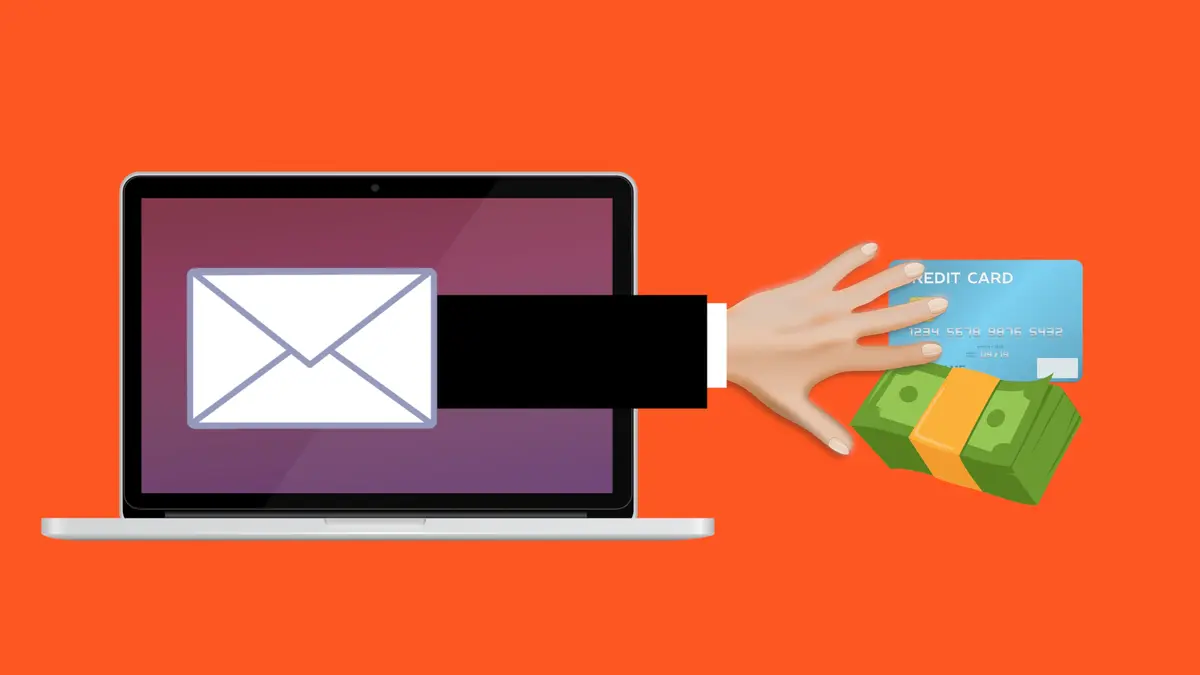
In a BEC attack, criminals impersonate an executive, employee, or supplier to request an urgent payment or a change of bank details. Because these messages often contain no malicious links — just a convincing request — they slip past many technical filters and rely entirely on human trust. BEC is among the costliest scams for businesses.
Pretexting
Here the attacker invents a believable scenario — a “pretext” — to extract information. They might call pretending to be from IT support, your bank, or a vendor, gradually gathering details or convincing someone to grant access. Pretexting often plays out over phone calls and can be very persuasive.
Baiting
Baiting lures victims with something enticing. This could be a free download that hides malware, or even a USB drive left in a parking lot, labeled to tempt someone into plugging it into a company computer. Curiosity becomes the attacker’s weapon.
Vishing and Smishing
Vishing (voice phishing) uses phone calls, while smishing uses text messages, to achieve the same goals as email phishing. A text claiming your account is locked, or a call impersonating a supplier, can be just as dangerous as a malicious email.
The Psychology Behind the Attacks
Social engineers rely on a handful of psychological triggers, and knowing them helps you resist. Urgency pressures you to act fast, before you have time to verify. Authority makes you comply with a request that appears to come from a boss or official body. Fear — of losing an account, missing a deadline, or getting in trouble — clouds judgment. Trust in familiar brands and names lowers your guard. And reciprocity or helpfulness makes you want to assist someone who seems friendly or in need. When a message triggers one of these feelings strongly, that’s precisely the moment to slow down and think.
Warning Signs to Watch For
Most social engineering attempts share recognizable red flags. Train your team to pause when they notice any of these:
- An unexpected sense of urgency or pressure to act immediately.
- Requests for sensitive information, credentials, or payments.
- Slightly incorrect email addresses, domains, or phone numbers.
- Unusual requests from executives or suppliers, especially about money or bank details.
- Generic greetings, odd phrasing, or spelling and grammar mistakes.
- Links or attachments you weren’t expecting.
- Requests to bypass normal procedures or keep something secret.
How to Protect Your Business
Because social engineering targets people, your defense combines human awareness with a few practical safeguards.
1. Train Your Team Regularly
Ongoing security awareness training is the single most effective defense. Teach employees the common tactics, show real examples, and keep the lessons fresh with short, regular refreshers rather than a once-a-year session.
2. Verify Requests Independently
Make it a firm rule that any request to send money, change payment details, or share sensitive information must be verified through a separate, trusted channel — such as a phone call to a known number, not a reply to the message. This one habit defeats most BEC and pretexting attacks.
3. Build a Blame-Free Reporting Culture
Employees should feel safe reporting a suspected attack or an honest mistake without fear of punishment. The faster an incident is reported, the faster you can contain it. Fear of blame causes people to hide mistakes, which makes them worse.
4. Enable Multi-Factor Authentication
If an employee is tricked into revealing a password, MFA can still block the attacker from logging in. It’s a crucial safety net when human defenses fail.
5. Limit Information and Access
The less information attackers can gather about your team and structure, the harder impersonation becomes. Give employees only the access they need, so a single compromised account can’t unlock everything.
What to Do If an Employee Is Fooled
Speed matters more than blame. If someone realizes they’ve fallen for a social engineering attack, act quickly: change any exposed passwords immediately, enable or verify MFA on affected accounts, notify your bank if payment details or money were involved, disconnect affected devices if malware may be present, and warn the rest of the team about the campaign so others aren’t caught by the same trick. Then review what happened and adjust your defenses and training accordingly.
A Real-World Scenario
Consider how an attack often unfolds. An attacker researches a small business online, learning the owner’s name from the website and the bookkeeper’s name from a LinkedIn profile. They register a lookalike email domain — swapping one letter — and send the bookkeeper a message that appears to come from the owner. The tone is casual but urgent: “Hi, I’m about to board a flight. Can you process a payment to a new supplier today? Details attached. I’ll explain when I land.”
Everything about the message is designed to work: it uses real names, mimics the owner’s style, creates urgency, and discourages a phone call by mentioning the flight. A bookkeeper who isn’t trained to verify such requests independently might process the payment — sending company funds straight to the attacker. A bookkeeper who has been trained pauses, notices the slightly wrong domain, calls the owner’s known number, and stops the fraud in seconds. The only difference between those two outcomes is awareness and a verification habit.
Building a Verification Policy
One of the most powerful defenses a small business can adopt is a simple, written verification policy for sensitive actions. Decide in advance that certain requests always require confirmation through a second channel — no exceptions. Payments above a set amount, changes to bank or supplier details, sharing of credentials, and requests to bypass normal procedures should all trigger an independent check, such as a phone call to a previously known number.
Crucially, make it clear that following this policy is never seen as slowing things down or distrusting the boss. Attackers rely on employees feeling too rushed or too intimidated to verify. When verification is company policy rather than personal choice, employees feel empowered to pause — and that pause is exactly what stops these attacks.
The Role of Ongoing Awareness
Social engineering evolves constantly, with attackers refining their stories and exploiting current events, from fake invoice updates to bogus security alerts. That’s why a single training session isn’t enough. Keeping your team informed about the latest tactics — through brief, regular updates and occasional simulated tests — maintains a level of healthy skepticism that adapts as the threats do. An aware team is a moving target that attackers find much harder to fool.
Frequently Asked Questions
Can technology alone stop social engineering?
No. Email filters and MFA help enormously, but because these attacks target human judgment, awareness and verification habits are essential. The strongest defense combines technology with a well-trained, alert team.
How often should we train employees?
Short, frequent refreshers — quarterly or even monthly — work far better than a single annual session. Regular reminders and simulated phishing tests keep the warning signs top of mind.
Are small businesses really at risk?
Yes, often more than large ones. Attackers know smaller teams tend to have less training and fewer checks, making them attractive, softer targets with real money and data to steal.
What’s the most common social engineering attack?
Phishing by email is by far the most common, serving as the gateway to many other attacks. Business email compromise is among the most financially damaging because it targets payments directly.
How do attackers know so much about my business?
Much of the information comes from public sources: your website, social media profiles, press mentions, and even out-of-office replies. Attackers piece these details together to make their impersonations convincing. Being mindful of what your business shares publicly, and training staff to treat “insider knowledge” in a message as no guarantee of legitimacy, both help reduce the risk.
Final Thoughts
Social engineering is a reminder that cybersecurity is as much about people as it is about technology. You can install every tool available, but if an employee can be tricked into handing over the keys, none of it matters. The good news is that awareness is a powerful and affordable defense. By training your team to recognize the tactics, verify unusual requests, and report suspicions without fear, you turn your greatest vulnerability — human trust — into your strongest line of defense. In security, a healthy moment of doubt is worth more than any expensive tool. Make verification a habit, keep your team informed, and treat every unexpected request for money or access as something to confirm before you act.